
01
Learn the domain
Understand ISO-management work, the people responsible for it, and how one decision creates consequences elsewhere in the system.
AmpliFlow helps organizations build and run the management systems behind ISO certification. I turn that dense operational domain into clear web-product decisions—from research and information architecture to a 900+ component design system and what ships.
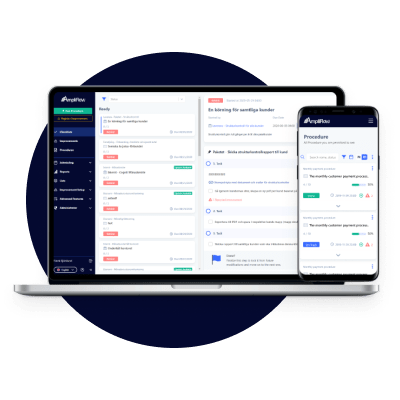
The product
AmpliFlow is not a simple dashboard. It connects the work organizations use to become and remain ISO-certified: policies, goals, audits, requirements, risks, deviations, processes, documents, competencies, ownership, and follow-up.
A change in one area can create work in another. Roles and permissions shape what people can see and do. Records need traceability. The design challenge is to preserve that operational rigor without forcing users to think like the database underneath it.
What ownership looks like
My job is not to decorate a product requirement. I clarify the problem, challenge weak assumptions, understand the system around it, make the interaction model explicit, and stay involved until the solution works as intended.
01
Understand ISO-management work, the people responsible for it, and how one decision creates consequences elsewhere in the system.
02
Turn ambiguous requests into flows, information models, states, edge cases, and a clear reason for what should be built.
03
Solve the immediate workflow while strengthening reusable patterns, components, and conventions across the web product.
04
Work closely with product and engineering through implementation, review, and iteration instead of stopping at handoff.
Product decisions
01 · Information architecture
In a modular QMS, navigation communicates the product model. I reviewed the end-to-end structure, grouped related work, and redesigned entry points so users could understand where they were, what belonged together, and where to go next.

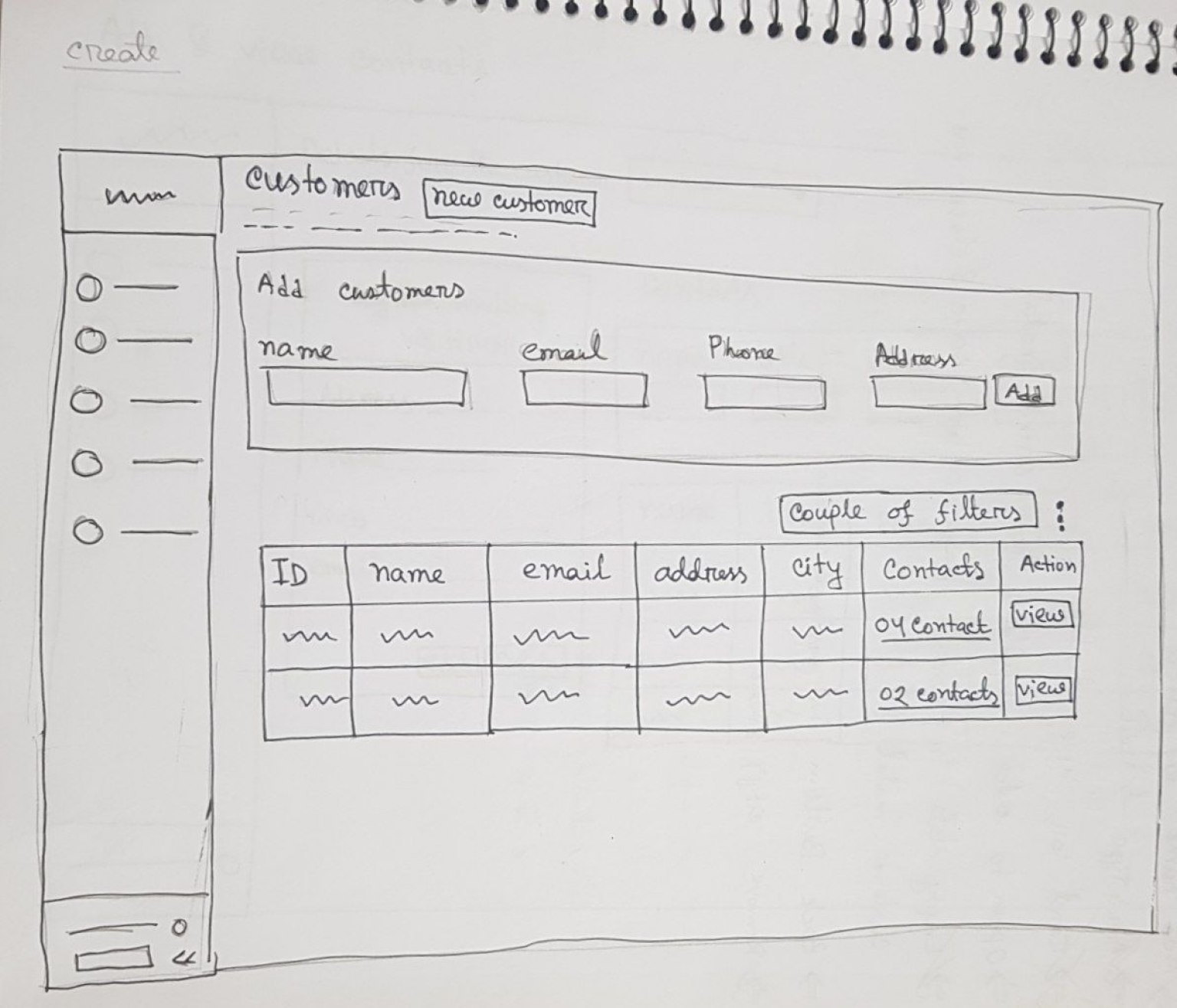
02 · Onboarding
Different organizations arrive with different standards, structures, and levels of maturity. I redesigned onboarding as the beginning of the product experience: a guided route into a configurable system, with clearer next actions after setup.
Design system at product scale
AmpliFlow is web only. I built its large design system to give a growing SaaS product a shared language—from foundations and small controls to composed patterns and complete product experiences.
Atoms
Foundations and controls
Molecules
Reusable UI combinations
Organisms & templates
Workflow-level product patterns
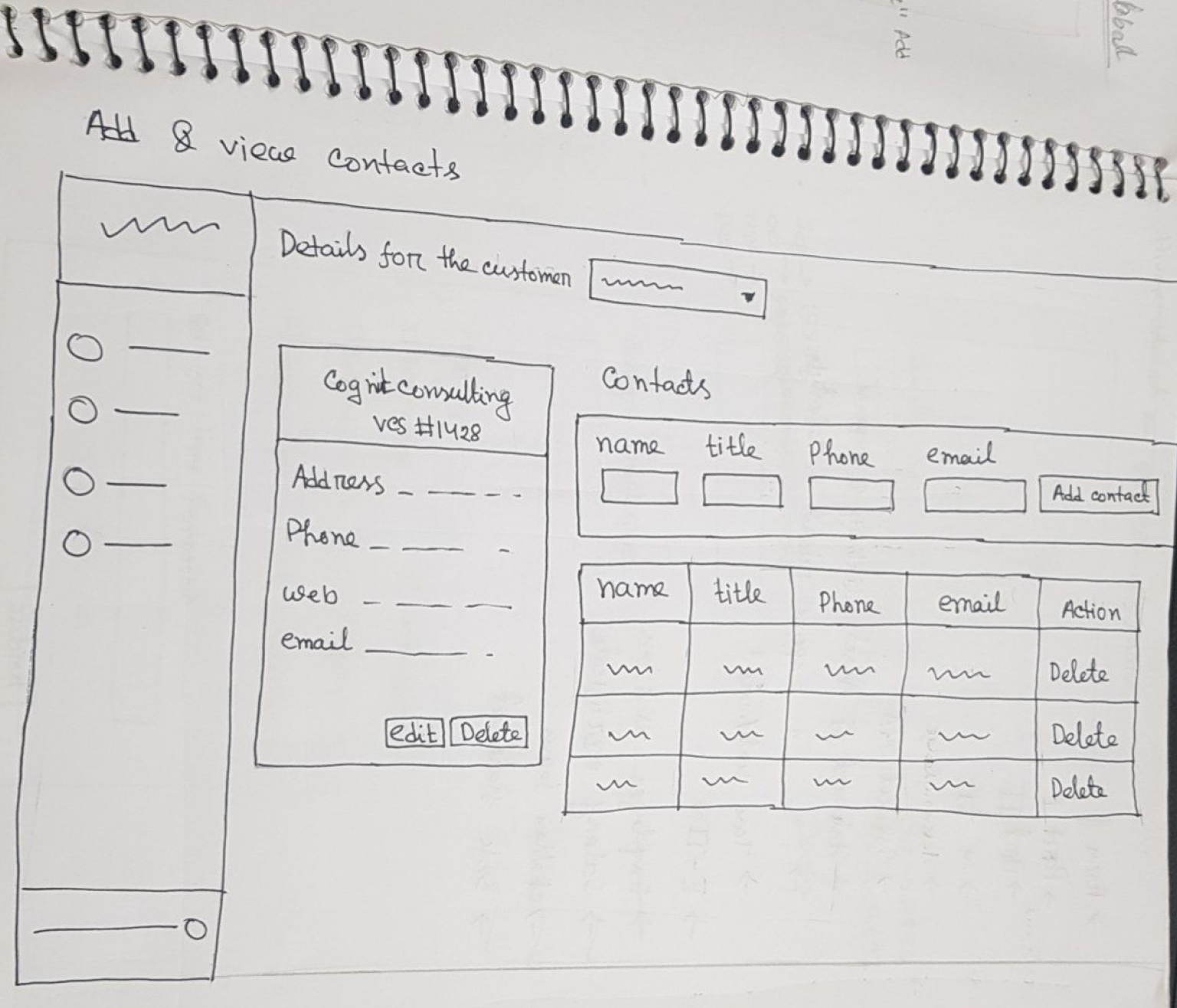
Shared states, behavior, hierarchy, and language across dense product areas.
New work starts from proven patterns instead of reopening settled questions.
Components give design and engineering a more precise shared language.
AI-assisted product design
I use AI throughout the design process to explore alternatives, interrogate assumptions, iterate on flows and prototypes, and validate ideas faster. It helps me widen the option space before narrowing it with product context, user needs, system constraints, and design craft.
Generate and compare more credible directions before investing in high-fidelity execution.
Surface missing states, edge cases, weak assumptions, and alternative ways a flow could work.
Create testable artifacts earlier so feedback changes the idea before implementation becomes expensive.
From system to shipped product
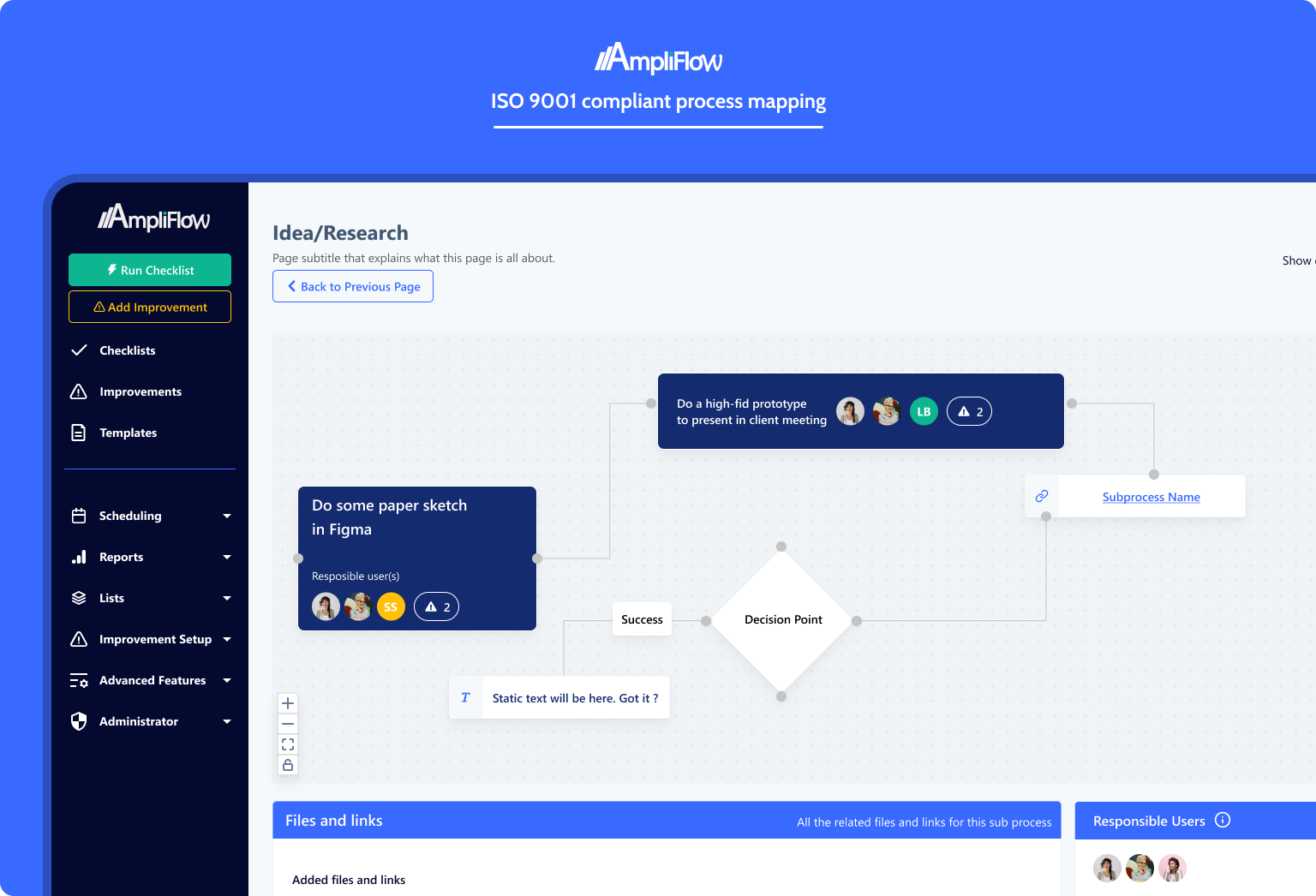
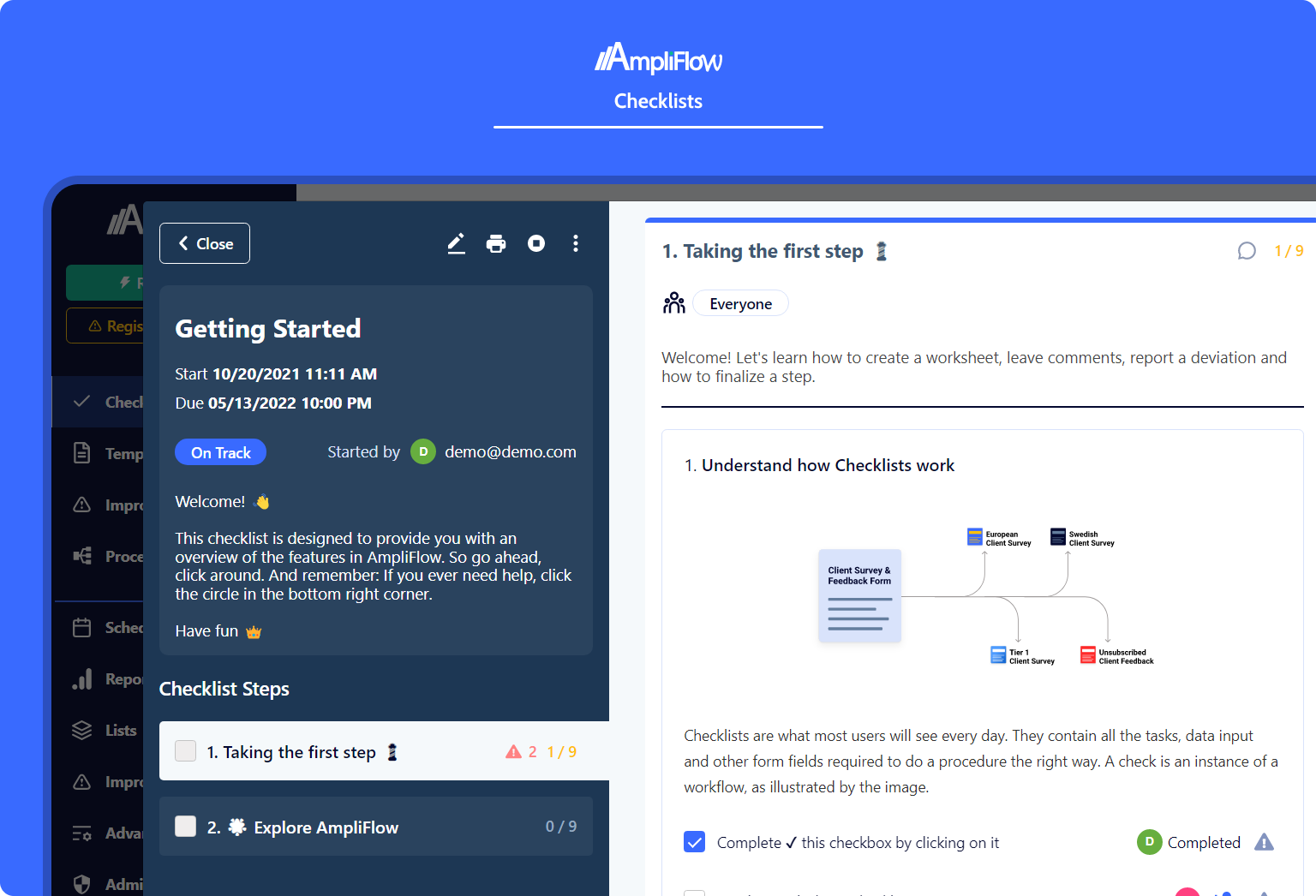
The interface is the visible result of decisions about hierarchy, workflow, permissions, states, and reusable behavior. These screens are not the case study by themselves; they are evidence of the system working.

Impact
Delivery
Reusable patterns and close engineering collaboration reduced the distance from idea to shipped work.
Scale
The design system gave recurring decisions a durable home and new features a stronger starting point.
Business
Better onboarding and product clarity contributed alongside product, marketing, sales, and engineering to increased acquisition.
I work with teams building complex SaaS and high-stakes products—where understanding the system, making sound decisions, and shipping well all matter.